Lumens fade with the battery, and the battery is the part that ages
The best solar lights for 2026
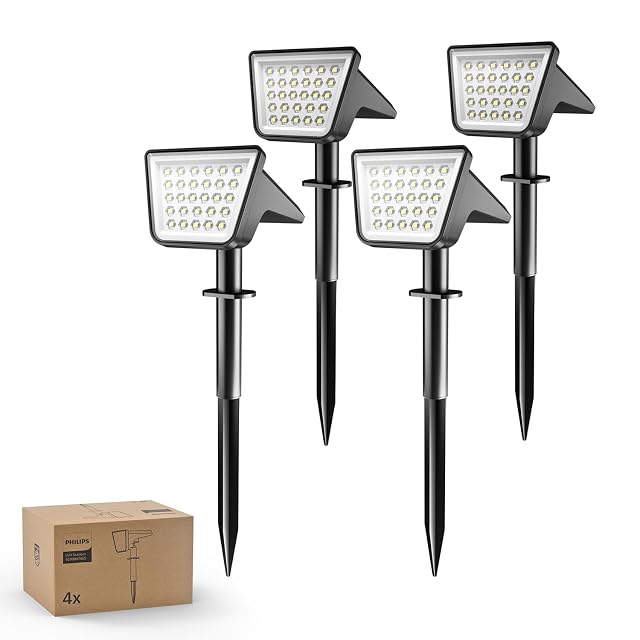
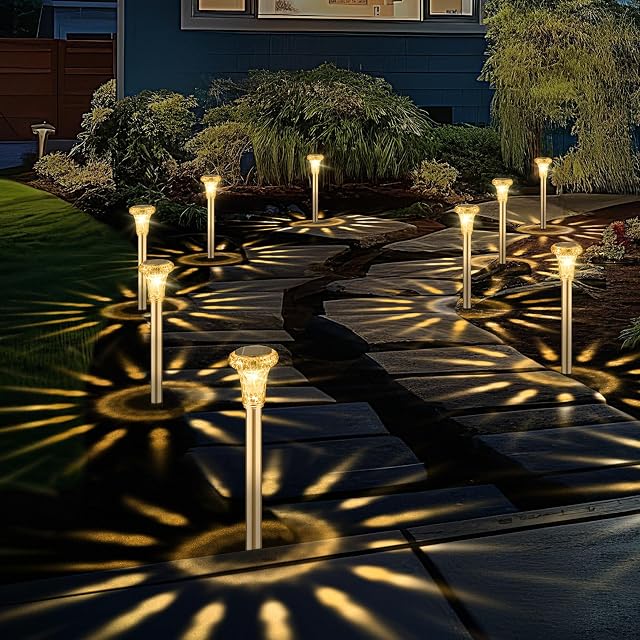
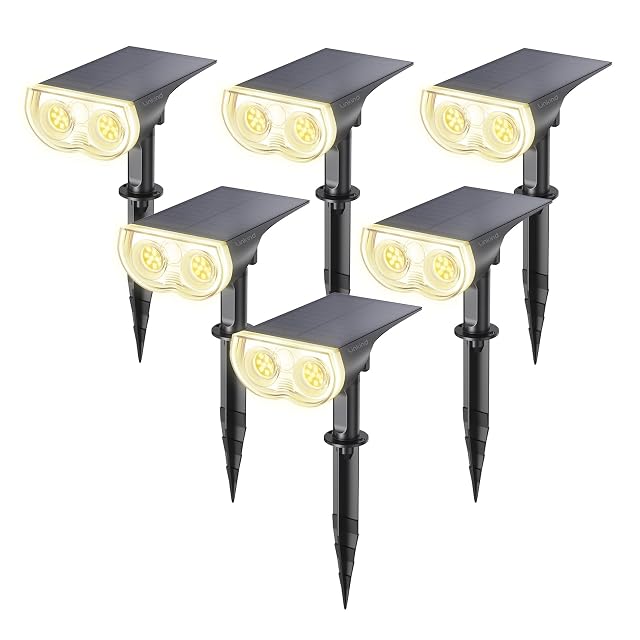
A solar light is a panel, a battery and an LED, and it is bought on the first of those three and abandoned because of the second. Brightness in lumens is the headline, and it is usually a maximum that the light holds for a few minutes before stepping down; the honest listings publish a run time at a stated mode. Battery capacity decides the night, and replaceability decides the years — a light with a standard cell behind two screws lasts as long as the housing, a sealed one lasts as long as its first battery. Panel size is what refills that battery, and a small panel behind a bright LED is the most common mismatch on the shelf: it looks impressive in June and dies in November. Motion detection is either the whole point or an annoyance, depending on the setting, and the specifications that matter are the detection angle, the range and whether the light idles dim or off between triggers. Then the ingress rating, which on this shelf should cover driven rain rather than splashes, the colour temperature in kelvin, and the mounting hardware. We compare brightness and run time at a stated mode, battery capacity and replaceability, panel size, motion detection, ingress rating and colour temperature.