VA and watts are two ratings, and the smaller one is the real one
The best uninterruptible power supplies for 2026
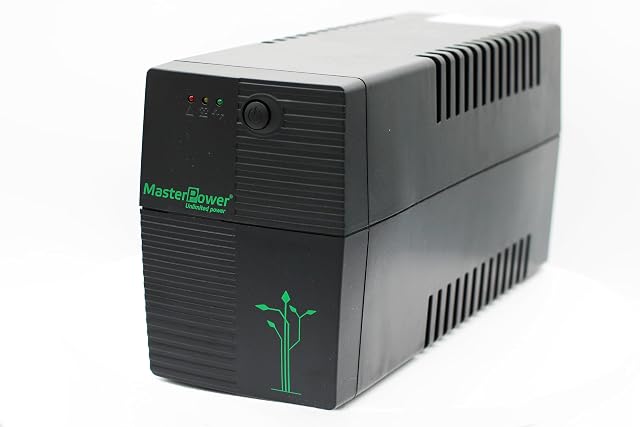
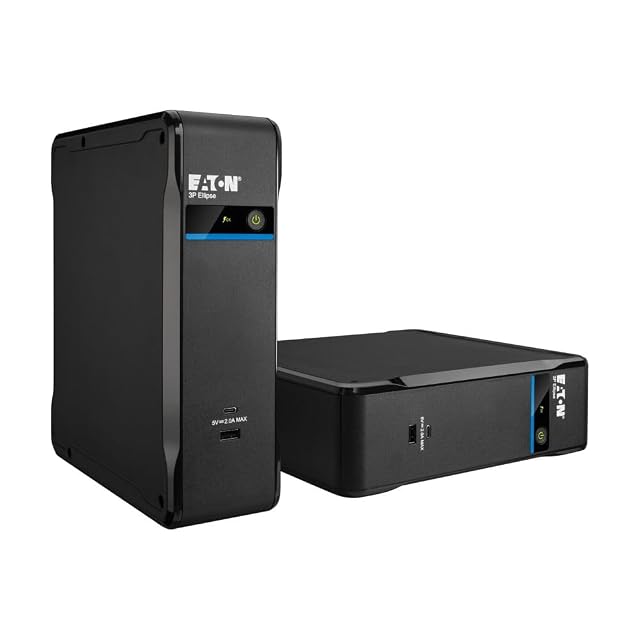
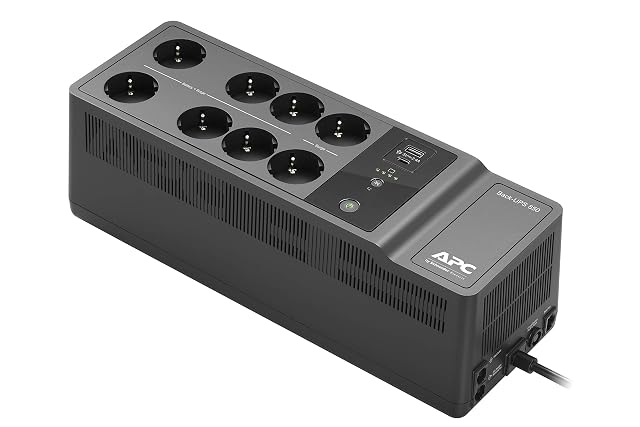
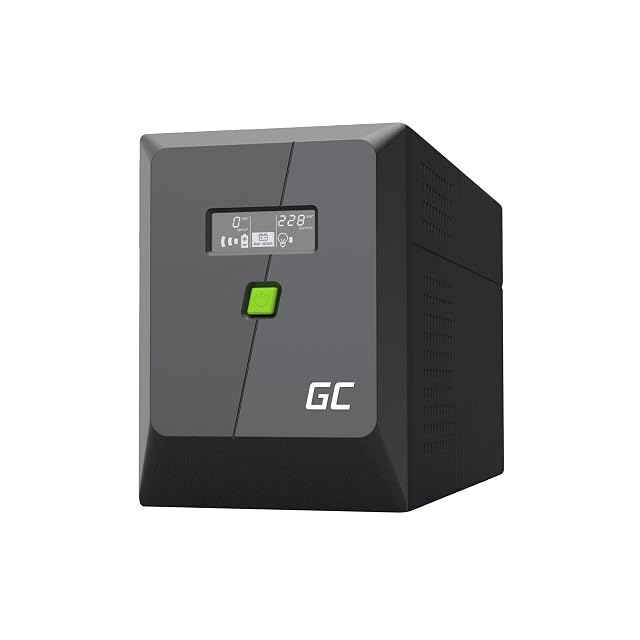
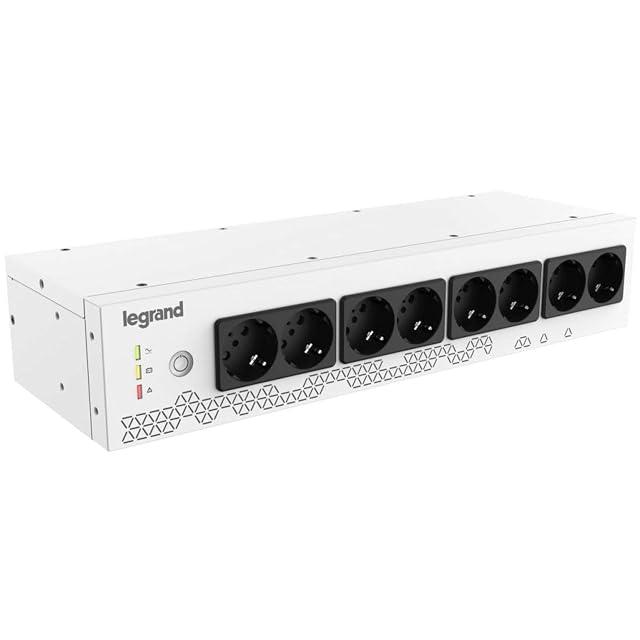
A UPS carries a computer or a network rack through a cut long enough to save the work and shut down cleanly, and the first confusion to clear is its double rating. Volt-amperes describe apparent power and watts describe real power; the ratio between them is the power factor, and a unit sold as 1 500 VA may be rated at 900 W. The watt figure is the one a load has to fit inside. Topology follows: an offline unit passes the mains through and switches to battery when it fails, a line-interactive unit also corrects sagging voltage without touching the battery, and an online unit runs everything through the inverter permanently — quieter on the mains, hotter and dearer. Waveform on battery matters because a modified sine wave and an active power-factor-corrected computer supply do not always get along. Runtime is published at a stated load and falls away quickly above it. Then the practical parts: how many outlets are battery-backed versus surge-only, whether the software can trigger a graceful shutdown, and — the one that decides the unit’s lifespan — whether the battery is replaceable and what the replacement costs. We compare VA and watt ratings, topology, waveform, transfer time, runtime, outlets, software and battery replaceability.