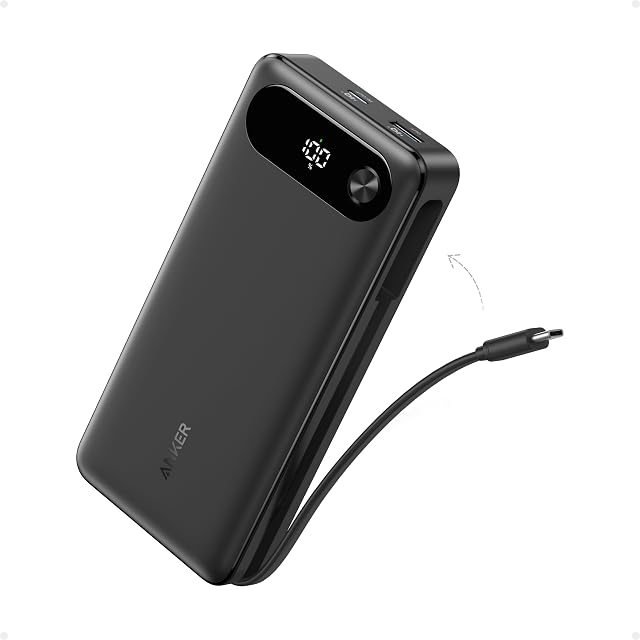
Milliamp-hours describe the cell, watt-hours describe the flight
The best power banks for 2026
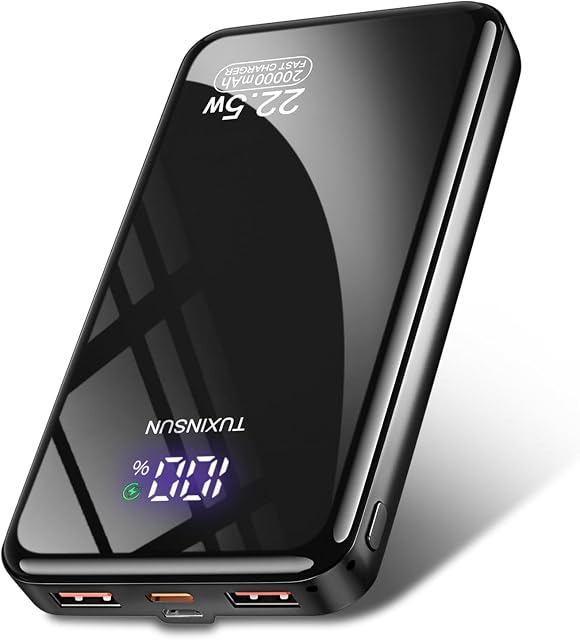
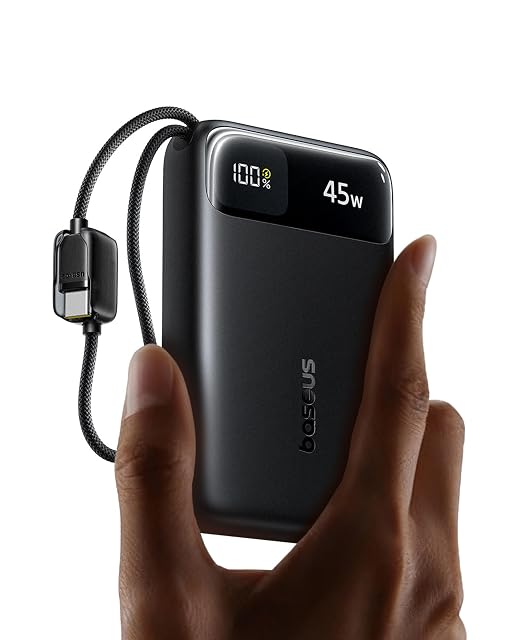
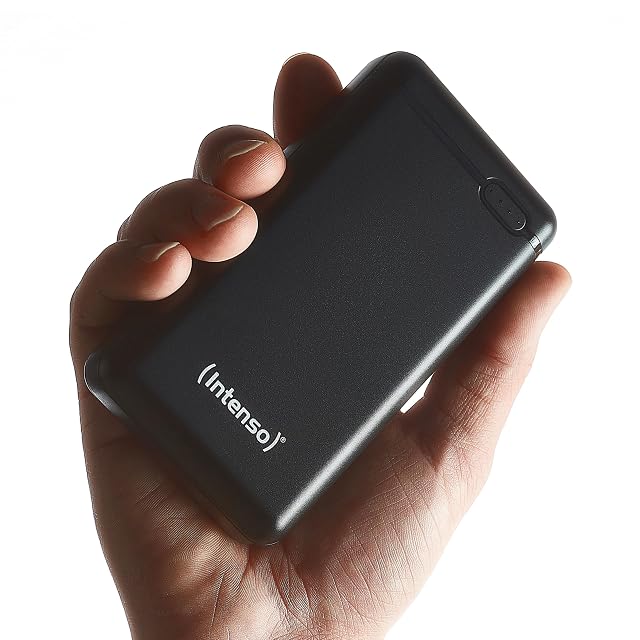
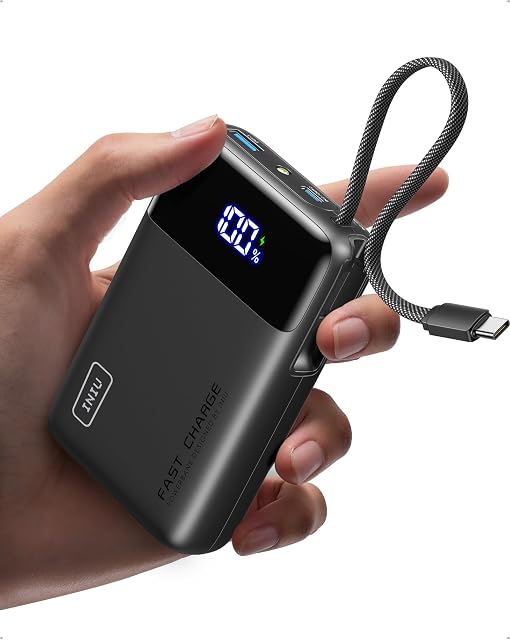
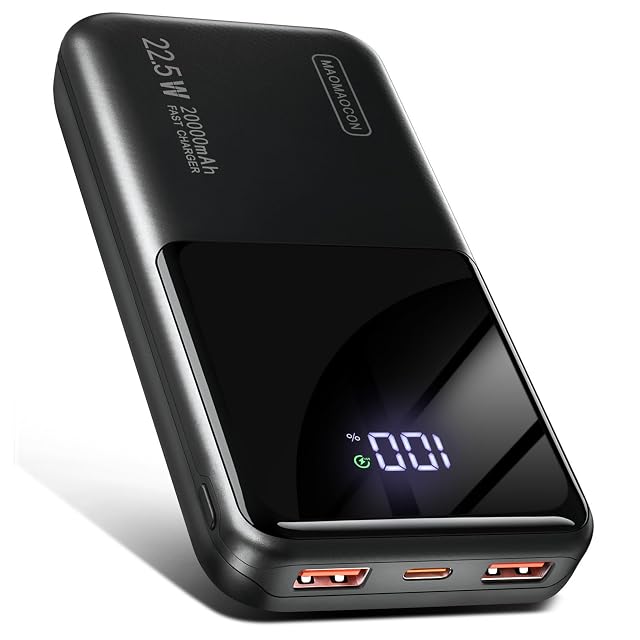
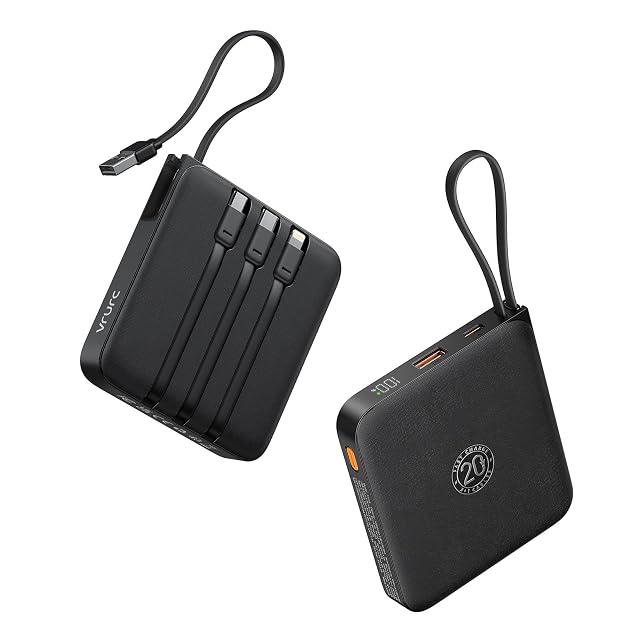
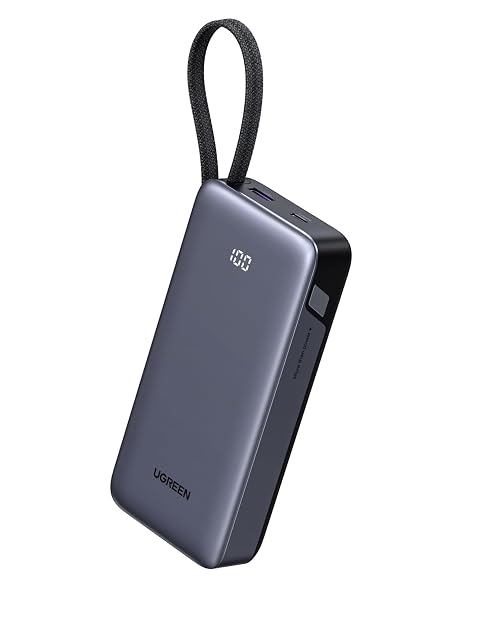
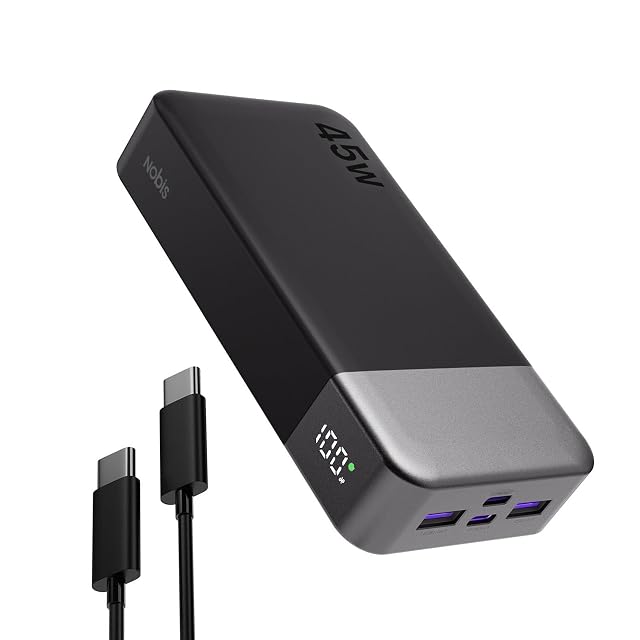
A power bank is sold in milliamp-hours, and that unit describes the cells inside rather than the energy that comes out. The cells sit at about 3,7 V, a phone charges at 5 V or more, and the conversion between them costs a fifth of the total or thereabouts: a 20 000 mAh bank holds roughly 74 Wh and delivers meaningfully less. The comparable figure is watt-hours, which is also what an airline reads — carriage limits are written in watt-hours, and this shelf is one where a specification has a legal consequence. Output power in watts, and the protocols behind it, decide what charges quickly: USB Power Delivery for laptops and modern phones, Quick Charge and its cousins for older devices, and a port that lists a protocol but not a wattage is telling half the story. Whether the total wattage is shared or per-port is the detail that decides whether two devices charge at full speed. Pass-through charging — using the bank while it charges — is either supported or explicitly not. Then recharge time, port count and type, and weight, which on this shelf is roughly proportional to the honest capacity. We compare capacity in mAh and Wh, output power and protocols, port sharing, pass-through, recharge time and stated carriage limits.