Watt-hours say how long, watts say what you can plug in
The best portable power stations for 2026
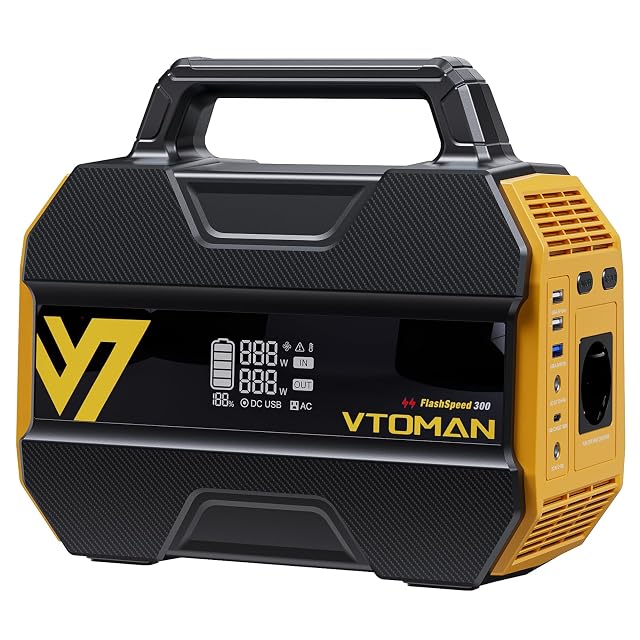
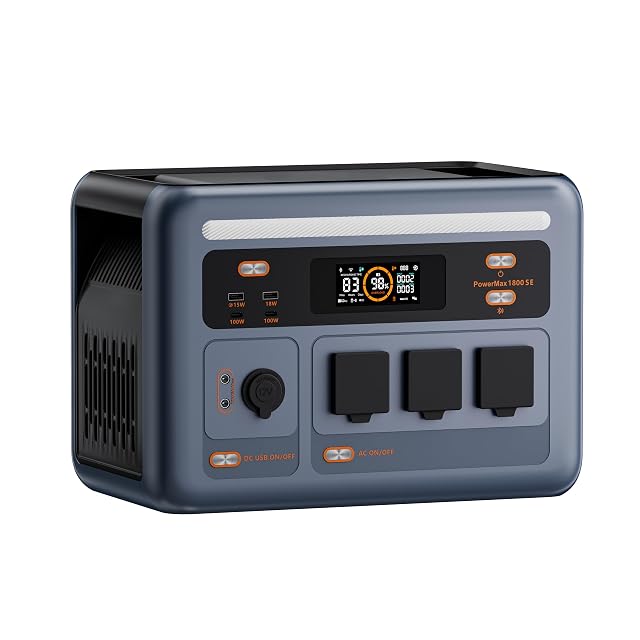
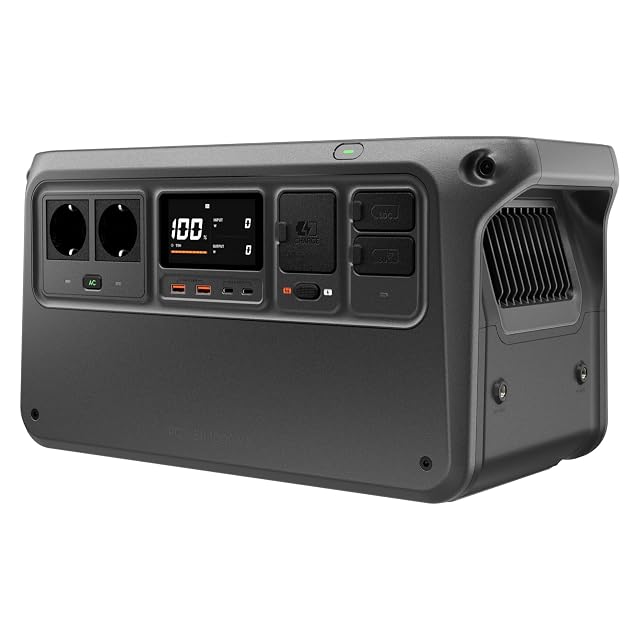
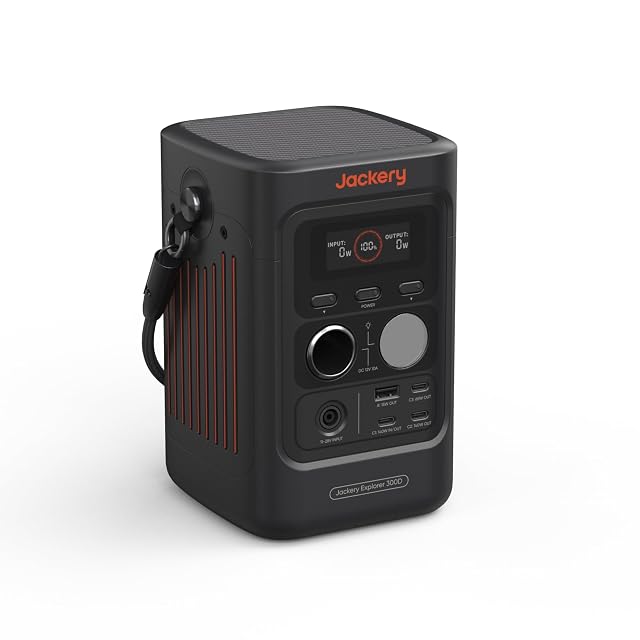
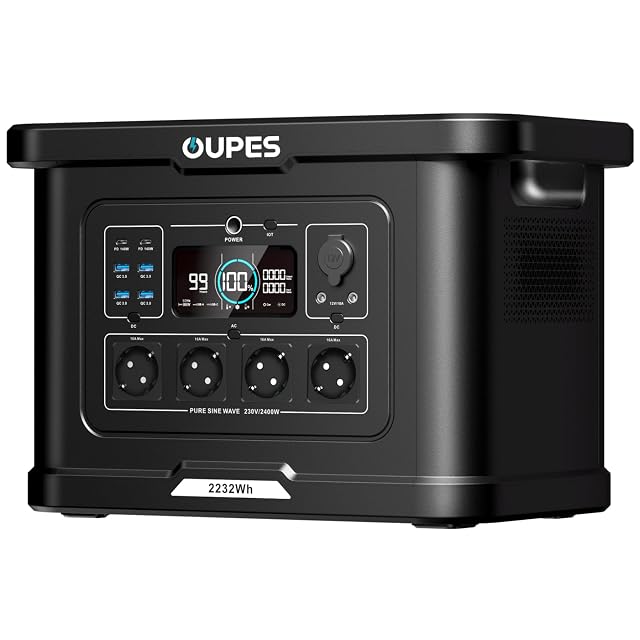
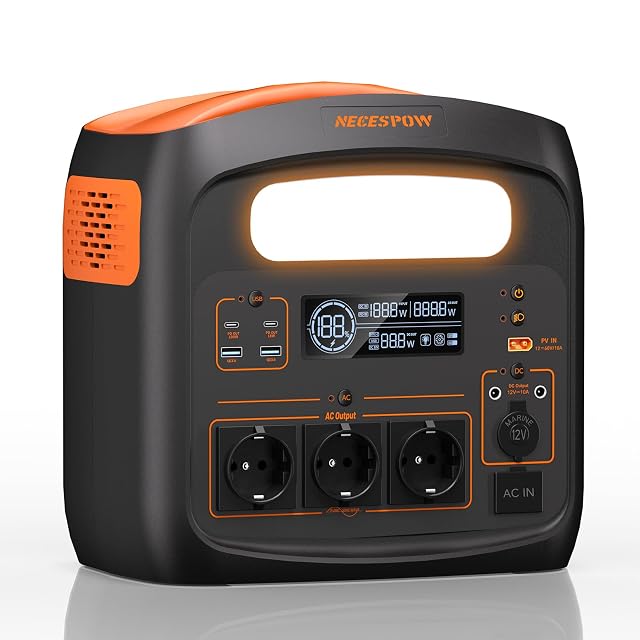
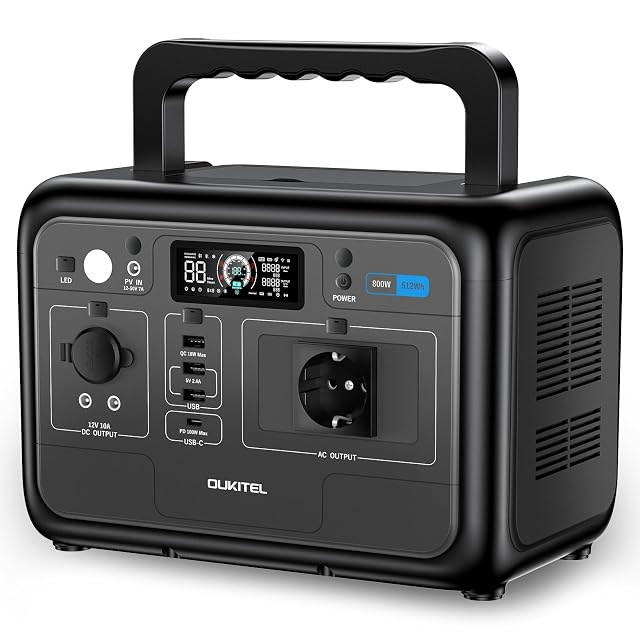
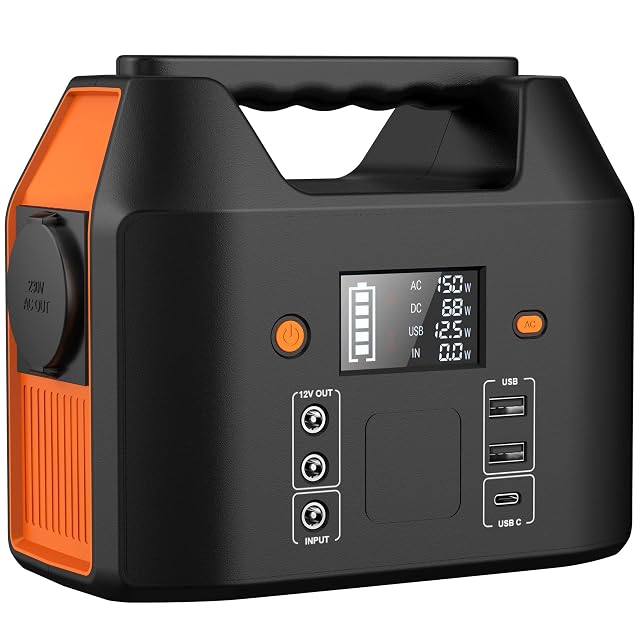
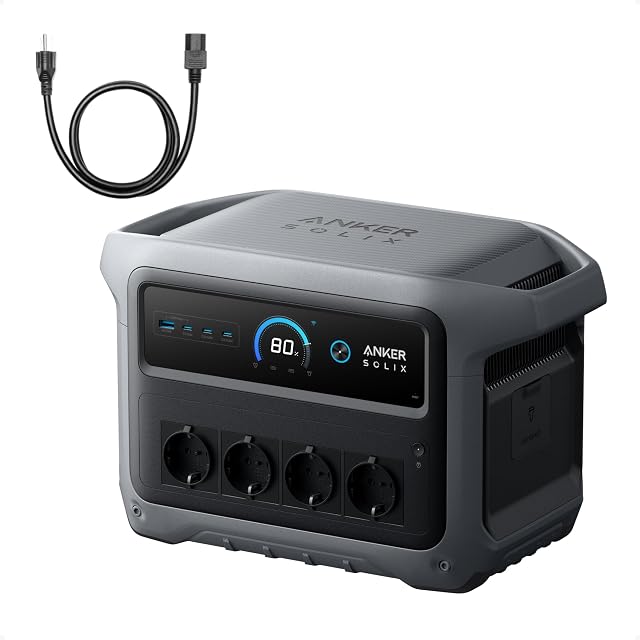
A portable power station is a battery, an inverter and a charger in one box, and the two figures on the front of that box answer two different questions. Capacity in watt-hours says how long something can run; continuous output in watts says whether it can be plugged in at all. A 2 000 Wh station with a 300 W inverter will not start a kettle, and a 300 Wh station with a 1 800 W inverter will start one and empty itself in minutes. Beside the continuous figure sits a surge rating, which is only meaningful with the duration the maker attaches to it — a motor draws its starting current for a fraction of a second, and a station that holds the surge for two seconds and one that holds it for two hundred milliseconds are not the same machine. Cell chemistry decides the rest: LiFePO4 cells accept more cycles and tolerate heat better than the NMC cells that make a station lighter, and the cycle count a maker publishes is only readable with the capacity percentage it is measured to — 3 000 cycles to 80 % and 3 000 cycles to 60 % describe two different products. Then the practical part: how fast it recharges from the wall and from solar, what the solar input accepts in volts and amps, whether the outputs include a pure sine wave socket, and what the listing says about running it in a hot car or a closed cupboard. We compare capacity, continuous and surge output, chemistry, cycle life, recharge time, output sockets and published thermal limits.