The BMS decides what the cells are allowed to do
The best LiFePO4 batteries for 2026
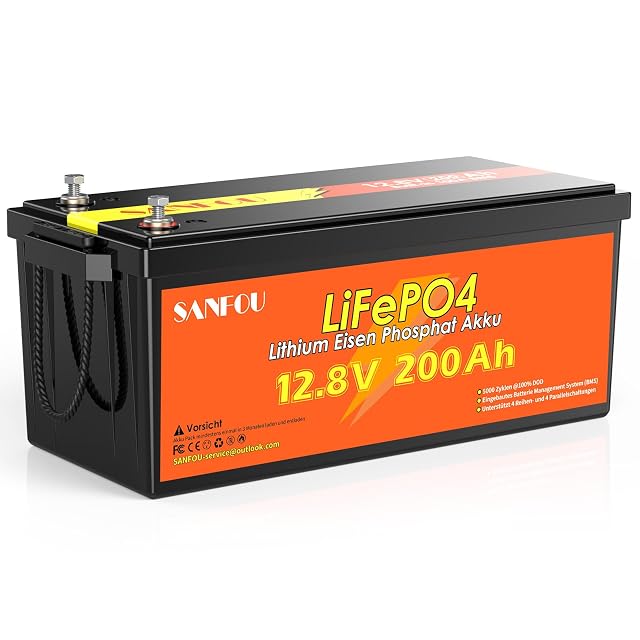
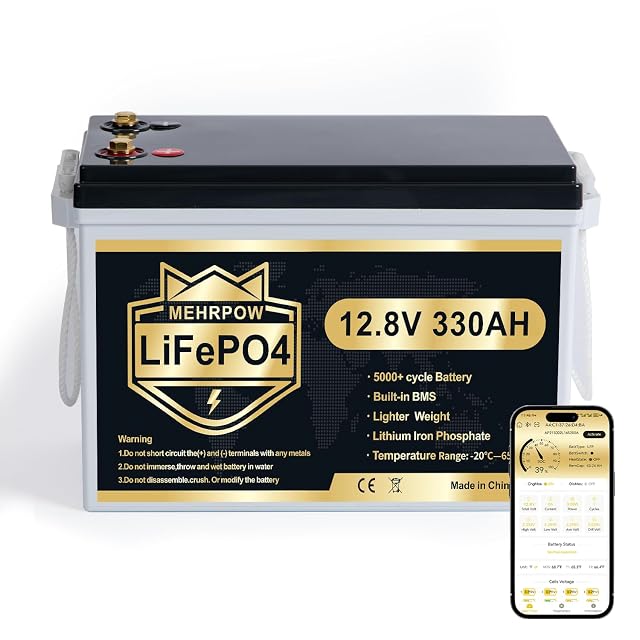
A LiFePO4 battery is sold by its amp-hours, and almost everything that separates two of them at the same capacity sits in the battery management system bolted to the cells. The BMS publishes a continuous discharge current in amps, and that number — not the capacity — decides what the battery can run: 100 Ah behind a 50 A BMS delivers roughly 600 W at 12 V, whatever the inverter behind it is rated for. It also decides what happens at the edges, and the edge that matters most in a garage or a van is cold: charging a lithium iron phosphate cell below freezing damages it, so a BMS either blocks the charge, warms the cells, or does neither and leaves it to the owner. Cycle life is published to a capacity percentage and at a stated discharge depth; the same cells quoted at 100 % depth and at 80 % give very different numbers. The physical part matters as much: terminal type and size decide which lugs fit, and the case dimensions decide whether it drops into a box designed for a lead-acid battery it is meant to replace. We compare nominal capacity, continuous and peak discharge current, BMS protections, low-temperature behaviour, cycle life, terminals and dimensions.