Stored kilowatt-hours only pay back if the house uses them at night
The best home battery storage for 2026
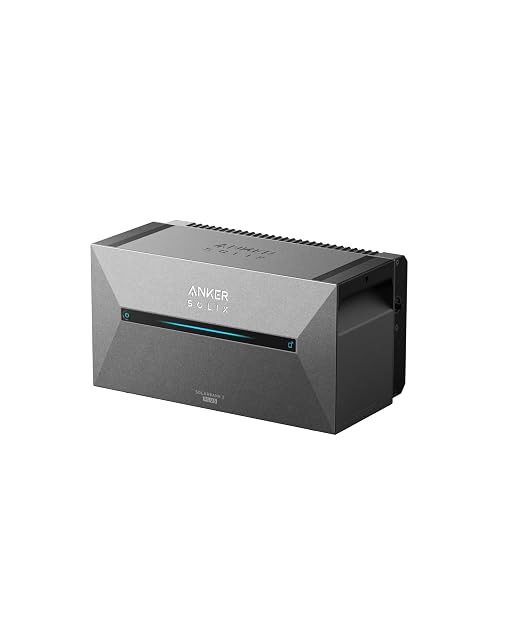
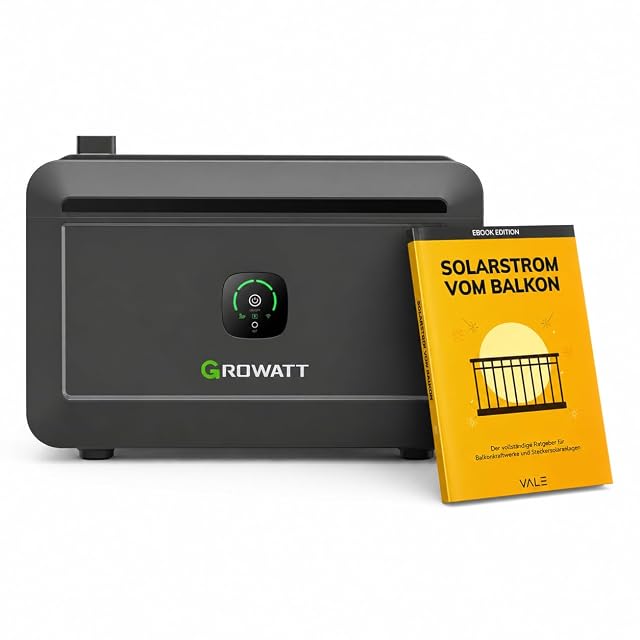
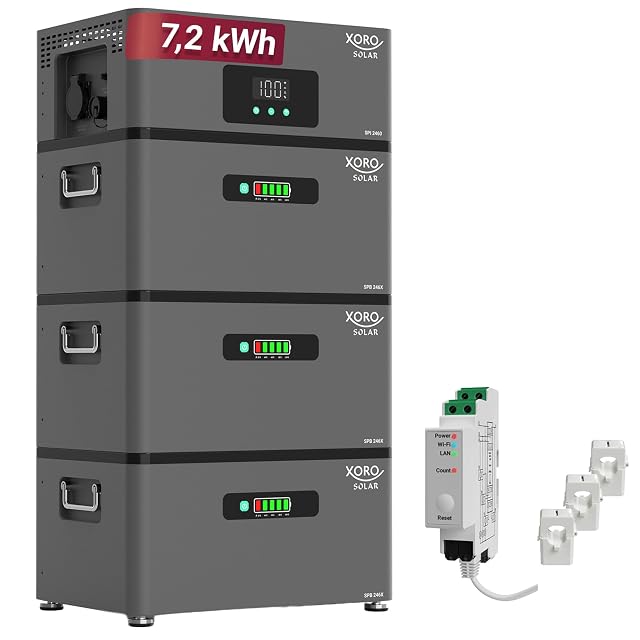
A home battery stores what a balcony or roof array makes during the day so the house can use it in the evening, and the arithmetic that decides whether it is worth buying is simple and rarely printed on the box. Usable capacity is not nameplate capacity: the reserve a battery keeps for its own protection and the round-trip losses of charging and discharging both come off the top, and the makers that publish a usable figure separately are the ones worth comparing. Charge and discharge power in watts decides whether the battery can absorb a midday peak and cover an evening cooking load; a large capacity behind a small inverter fills slowly and empties slowly. Chemistry is almost always LiFePO4 on this shelf, and the cycle count is again only readable with the capacity percentage attached to it. Compatibility is the part that catches people out: a battery designed for one micro-inverter ecosystem may not talk to another, and the metering that tells the system when the house is exporting is either included, sold separately, or absent. Installation rules differ by country and by building, and they come from the maker’s documentation and the local regulations, not from a comparison page. We compare usable capacity, charge and discharge power, chemistry, cycle life, inverter compatibility and published metering.