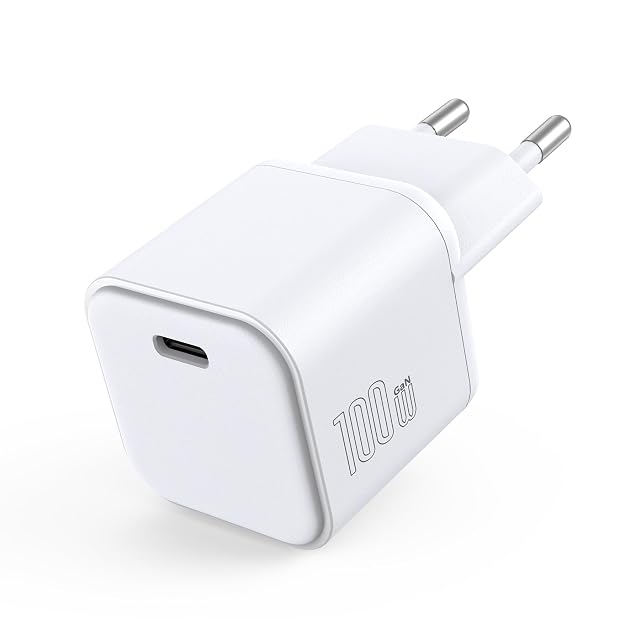
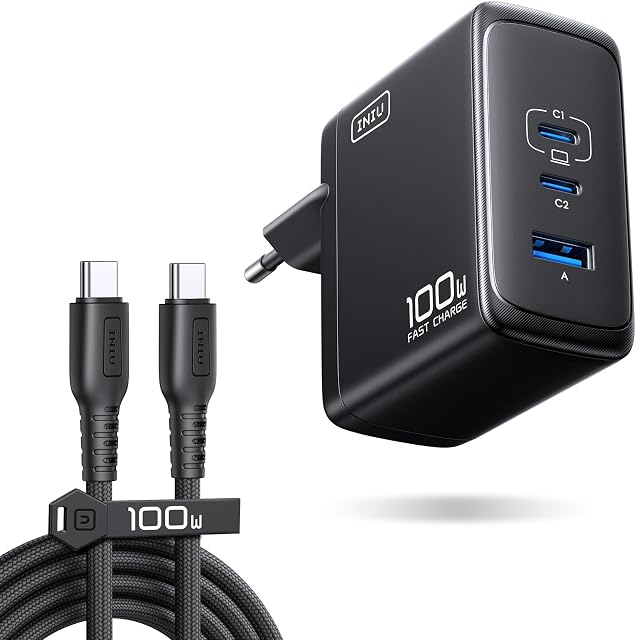
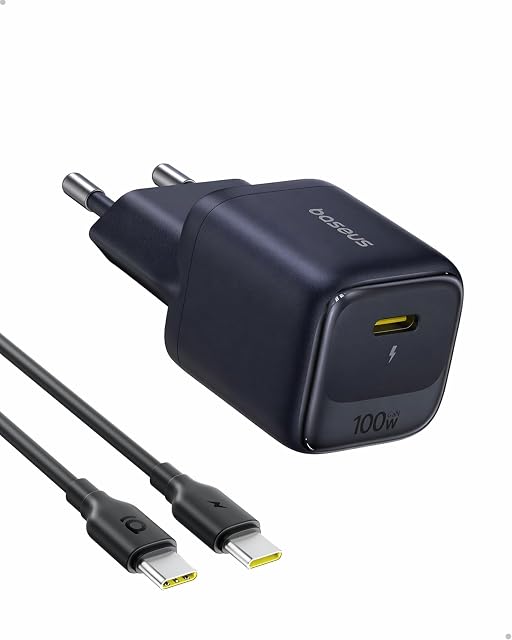
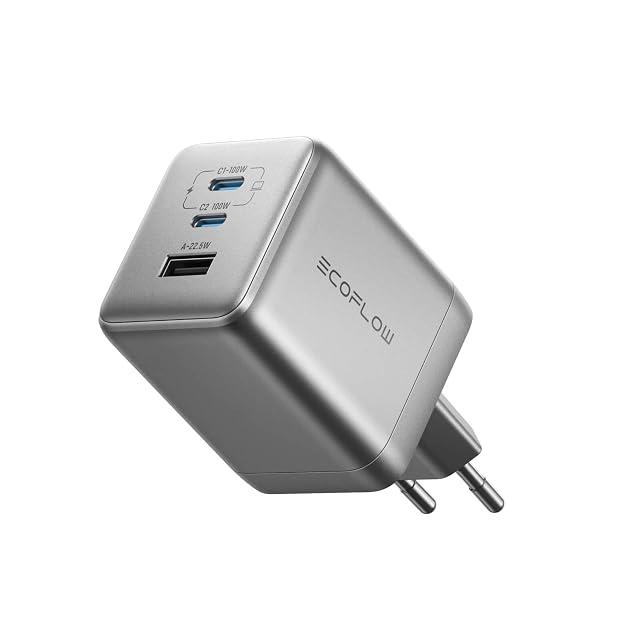
A wattage is only reached on the profile the device asks for
The best USB-C power adapters for 2026
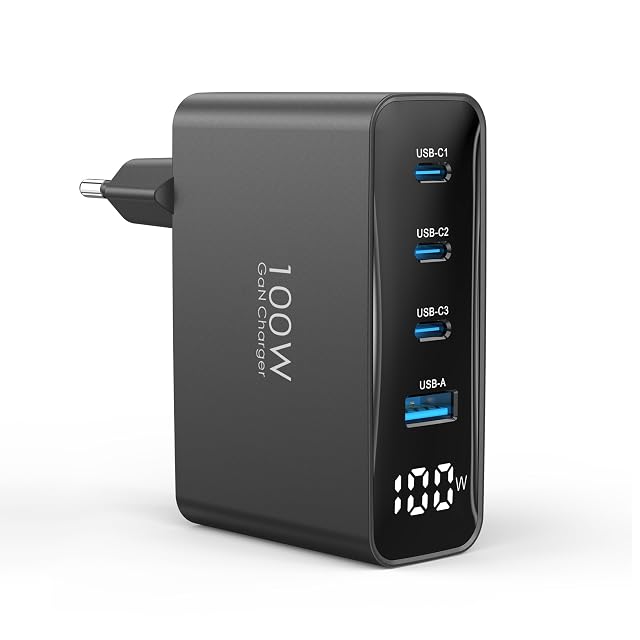
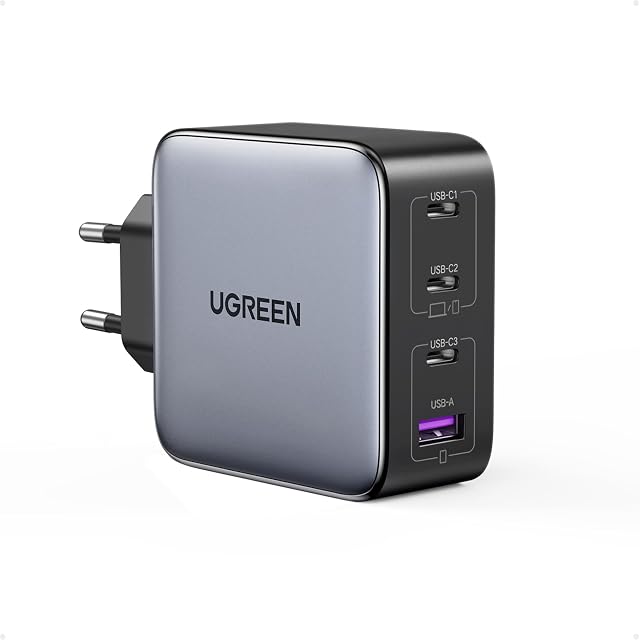
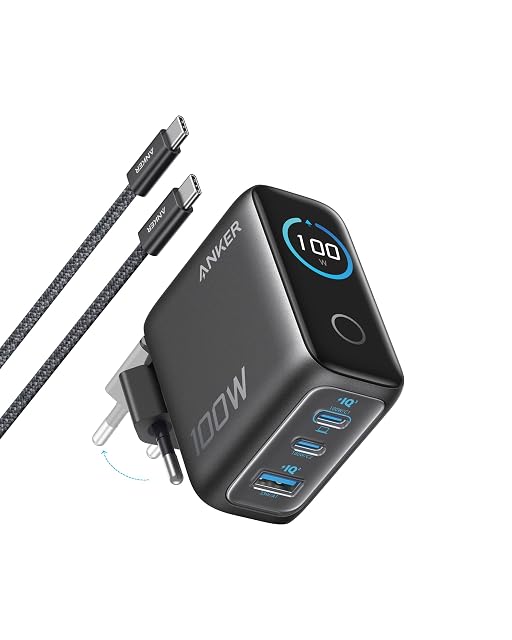
A USB-C adapter is rated in watts, and the number on the case is a total rather than a promise to any one port. Power Delivery works by negotiation: the device asks for a voltage and a current, the adapter offers the profiles it supports, and the charge happens at whatever they agree on. An adapter that advertises 100 W but offers no 20 V profile will never fast-charge a laptop that wants 20 V. That is why the useful specification is the list of profiles — 5 V, 9 V, 12 V, 15 V, 20 V and their currents — rather than the headline figure, and why PPS support matters for phones that charge by fine voltage steps. Port sharing is the other half: plugging a second device in usually re-negotiates the first one downwards, and the good listings publish the split. GaN construction is what allows the high wattages in a small case, and it is a means rather than a merit: what it buys is size and heat, both of which the maker publishes. The cable is part of the circuit — above 60 W it must carry an e-marker chip — and an adapter sold without one is not a complete purchase. We compare total output, per-port wattage and sharing, Power Delivery profiles, PPS, construction, dimensions and cable requirements.