Backup power
Keeping the lights on
Backup power comes in four sizes, and they answer four different questions. Picking the wrong size is far more expensive than picking the wrong brand within a size.
By Jean-Benoit Buisson
Four sizes, four questions
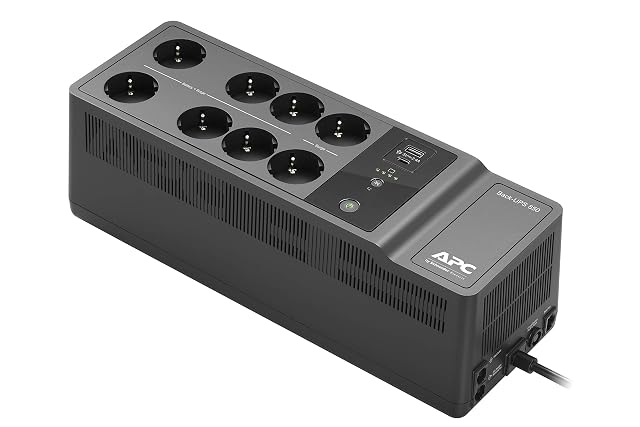
A UPS answers: will my computer survive a flicker?
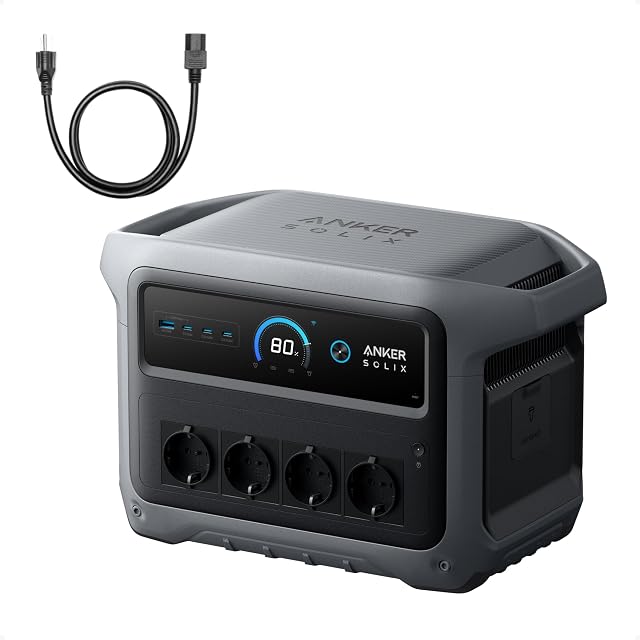
A power station answers: can I run a fridge and charge phones for an evening?
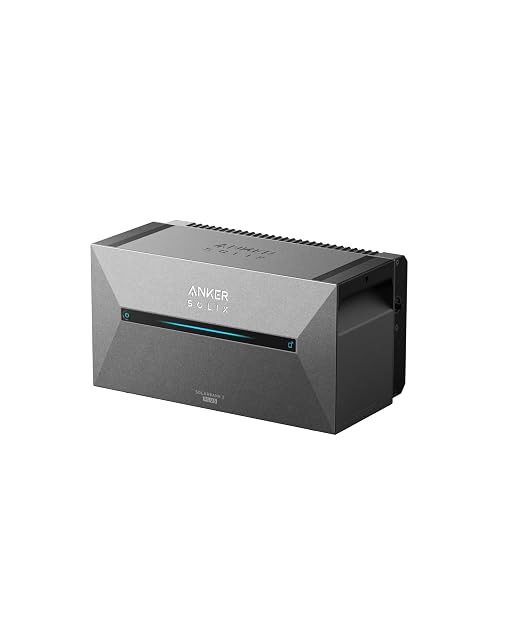
Home storage answers: can I use this afternoon’s solar tonight?
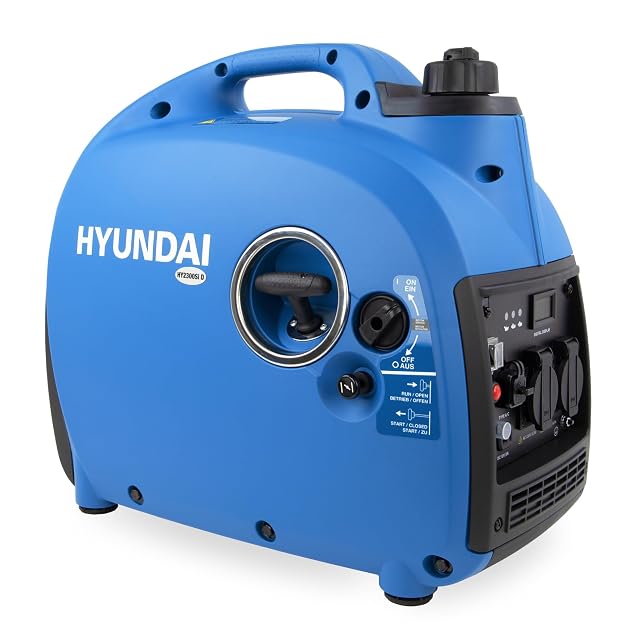
A generator answers: can I keep going for three days?
They are not upgrades of one another. Buying a generator for a two-second flicker is as wrong as buying a UPS for a three-day outage.
1. The uninterruptible supply
The figure that matters is transfer time, in milliseconds. Everything else — capacity, output, socket count — is secondary to whether the machine downstream notices the changeover.
Runtime on a UPS is minutes, deliberately. It exists to save work and shut down cleanly, not to keep working.
2. The portable power station
Watt-hours, not watts. The output rating says what it can run; the capacity says for how long, and they are separate ceilings.
Then chemistry and cycle life, which decide whether it is still useful in five years. And charge input, which decides whether it refills over lunch or overnight.
3. Home storage
A different proposition: not backup, but time-shifting. Storing what the panels made at noon for use at seven.
Usable capacity against nominal is the figure to find, and the two can differ by a fifth. Standby draw is the second — a unit that consumes while idle is spending part of what it stored.
4. The generator
The only option that runs indefinitely, and the only one that needs feeding, servicing and somewhere safe to exhaust.
Rated output, not maximum — the first is what it sustains, the second is what it produces briefly. Sizing on the maximum is how a generator gets overloaded on day one.
5. The fuel
Which is why it is on this list.
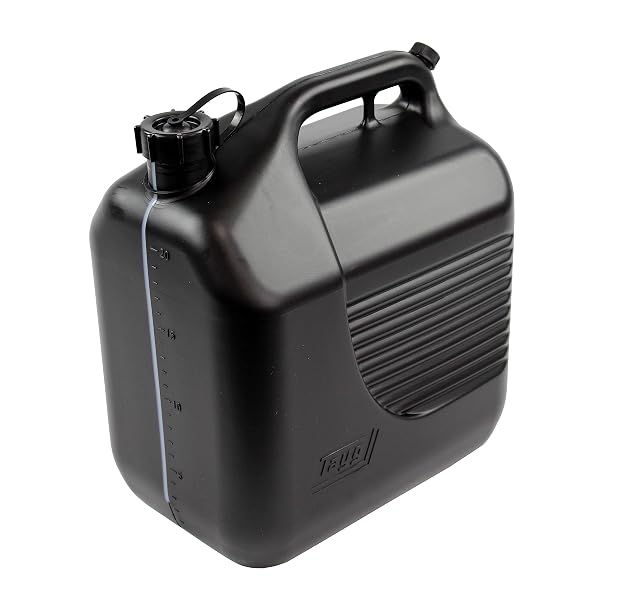
A generator with no reserve is a generator that works until the tanks close. Eighty litres is a realistic multi-day reserve, and a UN-approved container is the meaningful distinction — it means the thing has been drop-tested and pressure-tested for the job.
Across every fuel can in this catalogue, not one addresses static charge. That is the hazard specific to filling a plastic container with petrol, and the rules for doing it safely come from the fuel retailer, not from a product page.