The Elite 30 V2 carries 288 Wh of LFP cells, the same as the Anker SOLIX C300 and the DARAN, and pairs them with a 600 W inverter. BLUETTI says that is twice what others offer at this size, and on this shelf it is: the C300 and the RIVER 3 are rated 300 W, the DARAN 350 W. Power Lifting Mode extends resistive loads to 1,500 W.
The trade-off is runtime. At the full 600 W, 288 Wh lasts roughly half an hour before inverter losses.
The standby numbers nobody else prints
BLUETTI publishes what the station consumes while idle: 4.5 W in standby, 5 W with the DC side on, 8 W with the AC side on. That tells you how long it can sit as a UPS. With nothing plugged in and the AC on, 8 W drains 288 Wh in about 36 hours. No other station on this shelf gives these figures.
Charging
The wall charger runs at 380 W, or 200 W if you select the gentler rate: 0–80% in 45 minutes and 0–100% in 70 minutes. The listing lists eight charging modes, including solar with BLUETTI’s PV60L panel, a car, a lead-acid battery and a generator. A car charging cable is in the box.
Outage use
The switchover is 10 ms, matching the DELTA 3 Classic and the Anker C1000 Gen 2, and the listing names CPAP machines, laptops and routers. The USB-C port delivers 140 W.
Price on Amazon.com
BLUETTI listed it at $289.99 on November 2, 2026, with a 60-month warranty. That is $140 less than the Anker C300 for the same 288 Wh and twice the AC power.
Prices quoted in this text were read on November 2, 2026. The live price is at the top of the page.
What it gets right, and what it leaves out
Strengths
600 W continuous from 288 Wh, double the Anker C300 and the RIVER 3 at the same size
Published standby draw, 4.5 W, which tells you how fast it drains while waiting
A 10 ms UPS switchover and a car charging cable in the box
Compromises
No cycle count is published for the LFP cells
Power Lifting Mode at 1,500 W is for resistive loads like a kettle; it does not run a motor at that rating
288 Wh empties quickly at 600 W: roughly half an hour
Specifications
Capacity
288 Wh, LFP cells
Continuous AC output
600 W; 1,500 W in Power Lifting Mode
Standby consumption
4.5 W standby, 5 W on DC, 8 W on AC
AC recharge
380 W (200 W selectable); 0–80% in 45 minutes, 0–100% in 70 minutes
Charging modes
8, including AC, solar, car, lead-acid battery and generator
UPS switchover
10 ms
USB-C
140 W PD
Weight
9.4 lb (9.5 lb in the spec table)
Dimensions
9.8 × 7 × 6.6 in
Warranty
60 months
Amazon reference
B0F42HLLSC
Questions owners ask about this one
What is Power Lifting Mode?
BLUETTI’s mode for running resistive appliances rated above the inverter, up to 1,500 W here, by lowering the voltage they receive. A small kettle or a hair dryer then runs at reduced power. Motors and electronics need full voltage and should stay under the 600 W rating.
Why does the standby figure matter?
A station left on as a UPS spends power on itself. At 4.5 W in standby, 288 Wh would last about 64 hours with nothing plugged in; 8 W with the AC side on drains it in about 36 hours. Few listings publish these numbers.
Can it charge from a car or a lead-acid battery?
Yes. The listing lists eight charging modes, including car charging and a lead-acid battery, and the car charging cable is in the box.
Our score
8.1/ 10
A 288 Wh station with a 600 W inverter, a 10 ms UPS and published idle consumption. The most capable compact here per dollar of inverter.
Set beside the neighboring portable power units
Same category, nearby prices, between portable power units. What remains is the specifications every one publishes — half empty, a column is no use.
Model
Price
Capacity
AC recharge
Weight
Dimensions
BLUETTI Elite 30 V2
$290
288 Wh, LFP cells
380 W (200 W selectable); 0–80% in 45 minutes, 0–100% in 70 minutes
Where the models are not equal, in portable power units
If price decides: EcoFlow RIVER 3, at $249.
Highest Capacity in the table: EcoFlow RIVER 2 Max 500 (499 Wh, LiFePO4 cells).
Highest Dimensions in the table: EcoFlow RIVER 2 Max 500 (10.6 × 10.2 × 7.7 in).
Who this one is for, among portable power units
Small-load home backup and camping where a 300 W inverter would be too tight
Sources
Specifications: the manufacturer sheet for portable power gear and the matching Amazon product page. Prices and availability: Keepa. Every figure on this page names its source.
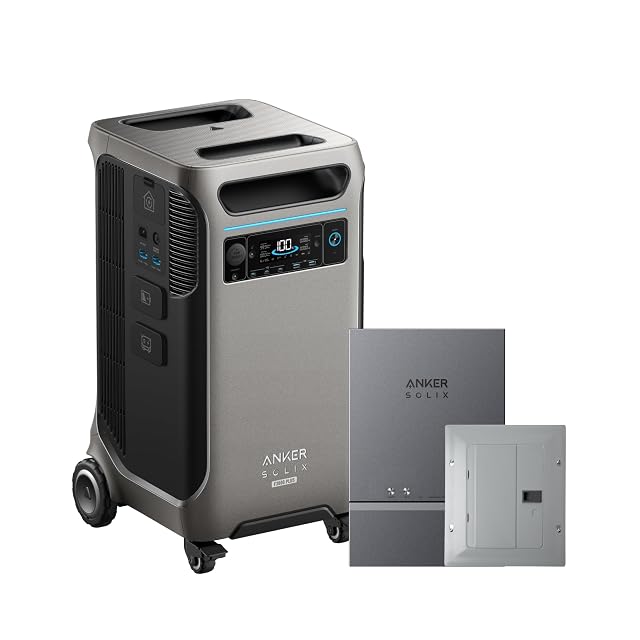
Anker SOLIX F3800 Plus: 3,840 Wh LFP power station with Home Power Panel, 6,000 W output, 120/240 V dual voltage, 3,200 W solar input, expandable to 26.9 kWh with six batteries, 5-year warranty
A 3,840 Wh LFP station with 6,000 W and 120/240 V output, sold with a Home Power Panel and expandable to 26.9 kWh with six add-on batteries.
Best for: A house that wants 240 V circuits on battery during an outage, with room to grow
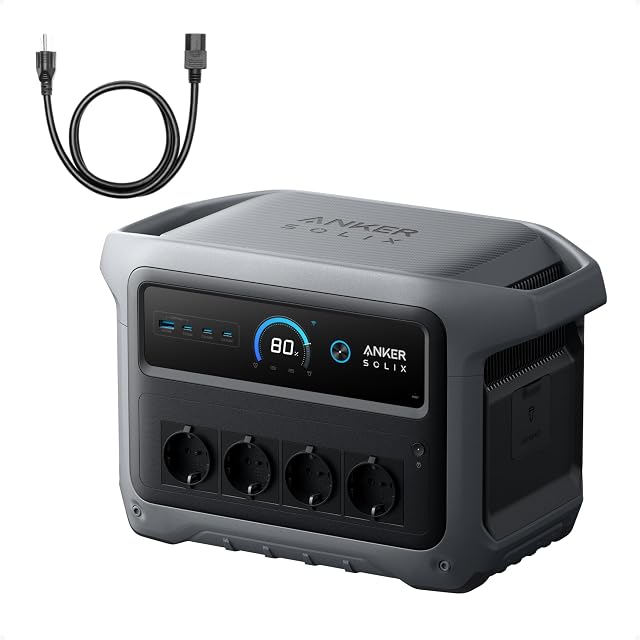
1,024 Wh LiFePO4 power station, 2,000 W continuous (3,000 W peak), 1,600 W wall recharge in 49 minutes, 600 W solar input, under 10 ms UPS switchover, 5-year warranty
A 1,024 Wh LiFePO4 station with a 2,000 W inverter, a 49-minute wall recharge at 1,600 W and a sub-10 ms UPS switch, at 24.9 lb.
Best for: Home outage backup and RV weekends where the station must refill fast between uses
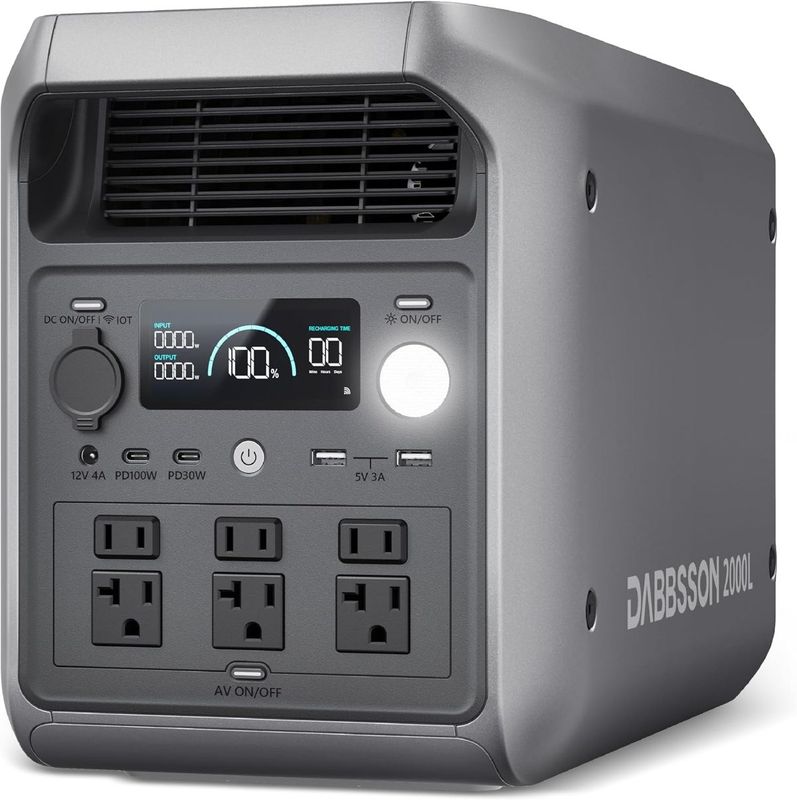
2,048 Wh semi-solid LiFePO4 power station, 2,200 W continuous (3,300 W Power Boost), six AC outlets, full AC recharge in 1 hour, 800 W MPPT solar, under 15 ms EPS, 41 lb, 3+2-year warranty
A 2,048 Wh semi-solid LiFePO4 station with a 2,200 W inverter and six AC outlets, at 41 lb and $649: the most watt-hours per dollar here.
Best for: Whole-day home backup or RV use on a budget, where 2 kWh matters more than a brand name