Skip to content

Anker SOLIX Solarbank 2 Plus, expandable to 9.6 kWh vs MARSTEK B2500-D, 2240 Wh, IP65

Expandable to nine kilowatt-hours, or a chemistry you can look up?

Balcony storage is the fastest-moving category in this catalogue, and these two take opposite approaches to describing themselves. One publishes its solar input in detail — two trackers, six hundred watts each — and never says what is inside the battery. The other names LiFePO4 in its title and publishes no wattage at all. Between them they cover most of what a buyer needs, and neither covers it alone.

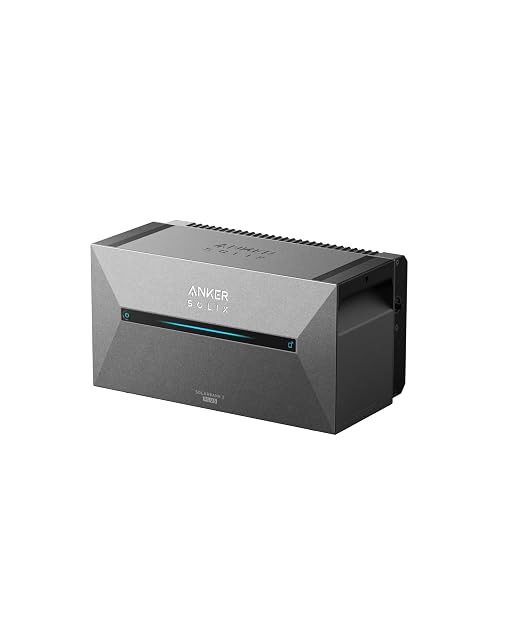
Anker SOLIX Solarbank 2 Plus with two solar inputs on its side panel

Anker SOLIX Solarbank 2 Plus, expandable to 9.6 kWh

Wins 3 of 6

Check price

≈ €399

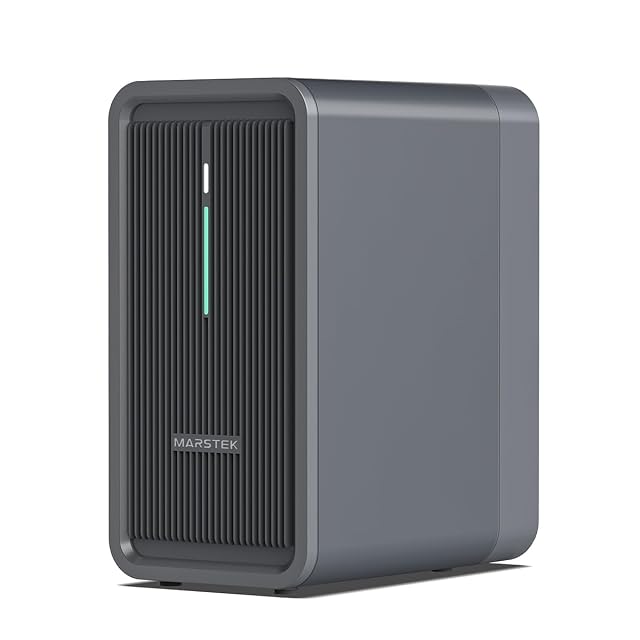
Marstek B2500 balcony solar battery with its connection ports

MARSTEK B2500-D, 2240 Wh, IP65

Wins 2 of 6

Check price

≈ €311

Line by line

Compared on SOLIX Solarbank 2 Plus, expandable to 9.6 kWh B2500-D, 2240 Wh, IP65
Usable capacity Nowhere in the listing — a maximum of 9.6 kWh is published with five added packs, with no usable figure Nowhere in the listing — 2240 Wh is published as capacity, with no usable figure beside it
Charge and discharge power Solar input of 1200 W across two MPPT trackers, 600 W each, first bullet; no discharge power is published Nowhere in the listing — no wattage is published in any bullet
Chemistry Nowhere in the listing — not named in any bullet LiFePO4, stated in the listing title
Cycle life 6000 cycles, fifth bullet, alongside a stated 15-year product life and a 10-year warranty; no capacity percentage accompanies the count 6000 charge cycles, from the title; no capacity percentage and no depth of discharge accompany the count
Inverter compatibility Not named; the unit stores what the panels produce and releases it as required AC-coupled through a micro-inverter, third and fourth bullets; no specific inverter is named
Published metering An Anker SOLIX smart meter is described as reporting consumption in three seconds and passing it to the unit, fourth bullet A smart meter is described as storing surplus rather than exporting it, third bullet; the meter is not part of the unit

A tick means one listing published something the other did not, or published a better figure. It does not mean the product is better, and the column is not a score out of anything: a maker who says less loses lines here without losing a comparison. The two verdicts below are where the page is settled.

Which one, for whom

Buy the Anker SOLIX Solarbank 2 Plus, expandable to 9.6 kWh

The better-documented system on power and on metering: two maximum power point trackers at six hundred watts each, a meter that reports in three seconds, and a ten-year warranty printed beside the cycle count. What it never says is what chemistry is in the pack — which, on a battery expected to last fifteen years, is the one specification a buyer cannot check any other way.

Buy the MARSTEK B2500-D, 2240 Wh, IP65

Names LiFePO4 in its own title and tells you how it connects — AC-coupled through a micro-inverter, which means it can be added to an installation that already exists without touching the solar wiring. It publishes no wattage at all, so how fast it fills and how hard it can push are both unknown from the listing.

Questions this pairing raises

Why is “usable capacity” a tie when neither publishes it?

Because both are silent, and a shared silence says something true about the shelf rather than favouring either. Nominal capacity and usable capacity can differ by a fifth on a battery system, and neither of these tells you which figure it is quoting.

What does AC-coupled actually mean here?

The battery connects on the mains side rather than between the panels and the inverter. It can therefore be added to a working installation without rewiring it, and it can usually charge from the grid as well as from the sun — which a DC-coupled battery generally cannot.

Do I need the smart meter?

For the system to know when to discharge, something has to measure household consumption. One listing describes its meter as part of the system with a three-second reporting interval; the other describes the meter as separate. Either way, storage without metering discharges on a timer rather than on demand.

The full reviews

  • Anker SOLIX Solarbank 2 Plus, expandable to 9.6 kWh

    1600 Wh base, expandable to 9.6 kWh · 2 MPPT, 1200 W solar (600 W per tracker) · 6000 cycles · IP65 · down to −20 °C · 10-year warranty

    A balcony storage unit with two MPPT trackers taking 1200 W of solar, expandable to 9.6 kWh with five further packs, rated IP65 and stated to operate down to −20 °C.

    Best for: A balcony with panels facing two different directions, where per-tracker limits matter more than total capacity.

    ≈ €399

  • MARSTEK B2500-D, 2240 Wh, IP65

    2240 Wh nominal · LiFePO4, 6000 cycles · expandable · IP65 · AC-coupled via a micro-inverter · smart meter optional

    A 2240 Wh LiFePO4 balcony storage unit rated IP65, coupled through a micro-inverter, expandable, and installed without an electrician according to its listing.

    Best for: A balcony installation that already has a micro-inverter and wants storage added without rewiring.

    ≈ €311

A price quoted in the text of a PowerVerdict page dates from the day that page was written; the live figure beside each product is fetched while you read and replaces it.