Protection
The parts nobody photographs
Nobody shows off a fuse holder. They are also the parts that decide whether a fault is an inconvenience or a fire, and they are the parts most listings describe least.
By Jean-Benoit Buisson
The half of the system that is never in the photograph
A power installation is a battery, a panel and an inverter in the picture, and fuses, breakers, glands and cable everywhere else.
The second half is what decides what happens on the worst day.
1. Protection on the DC side
Every conductor leaving a battery needs protection as close to the battery as practical. The battery is the source; nothing upstream will save the cable.
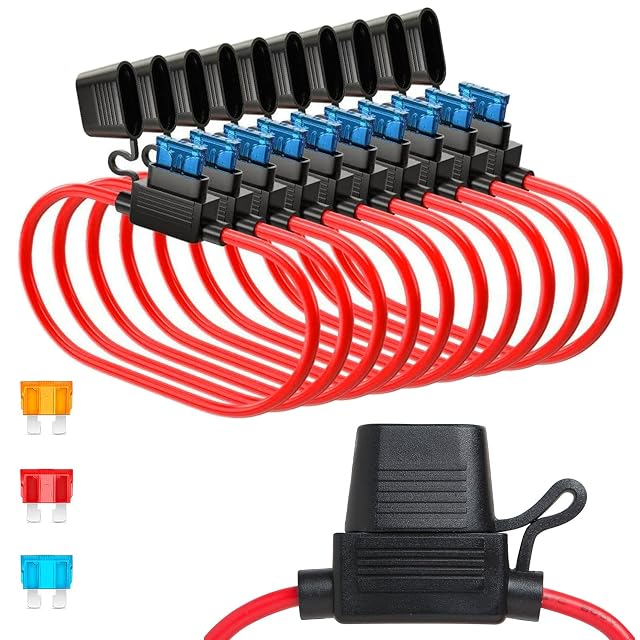
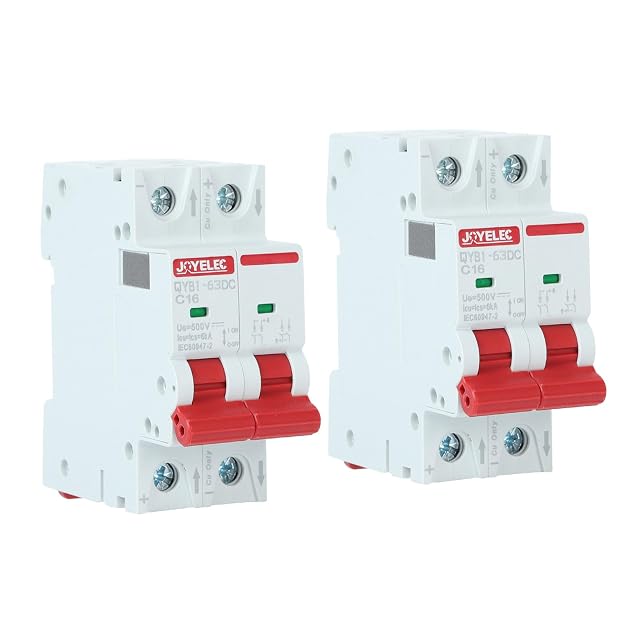
Blade fuses to about thirty amps. Bolt-down fuses above that, because a blade contact is where the heat goes. And a DC-rated breaker for a solar string, where an isolator is wanted as well as protection.
The rating to insist on is the voltage. A blade fuse is conventionally a 32 V component, and one listing in the whole family publishes that figure.
2. The cable
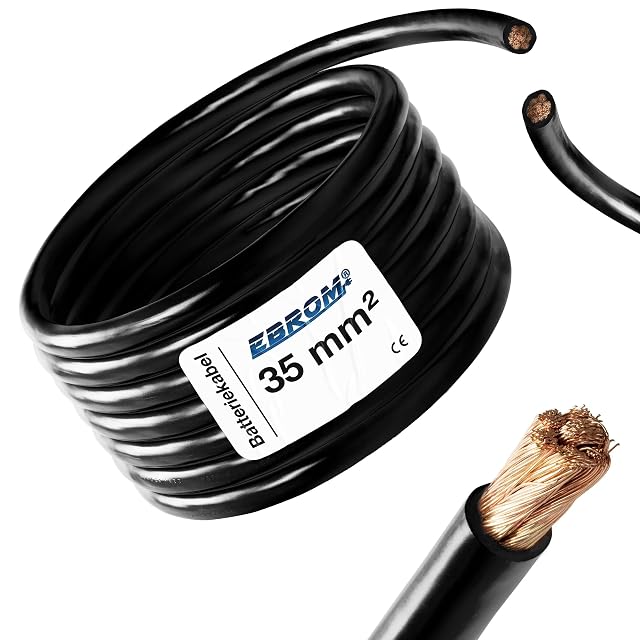
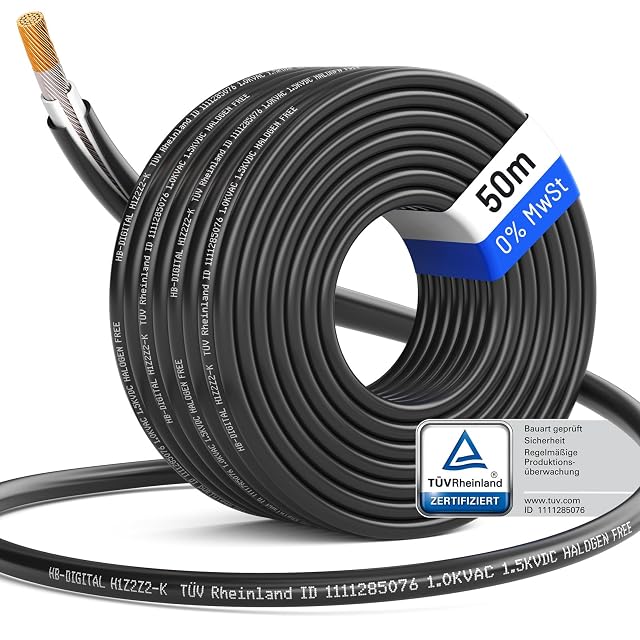
Sized by current, not by what fits the terminal. And matched along its whole length — a narrower section in the middle of a run carries the same current as the rest and shows nothing on the surface.
For solar, the designation is the shortcut: H1Z2Z2-K to EN 50618 is specified for the ultraviolet and temperature an outdoor run meets, and ordinary flexible cable in the same position ages differently.
3. Where cable passes through anything
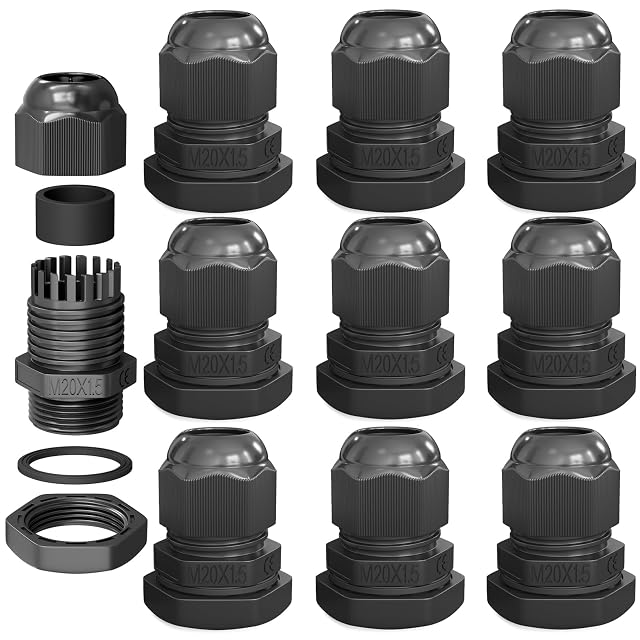
A gland. Enclosure walls have sharp edges, and a cable resting on one moves in the wind until it does not any more.
IP68 rather than IP67 if the box is at ground level or facing upward. And check the pack contains its locknut — a gland without one cannot be fitted to a plain hole.
4. Terminations
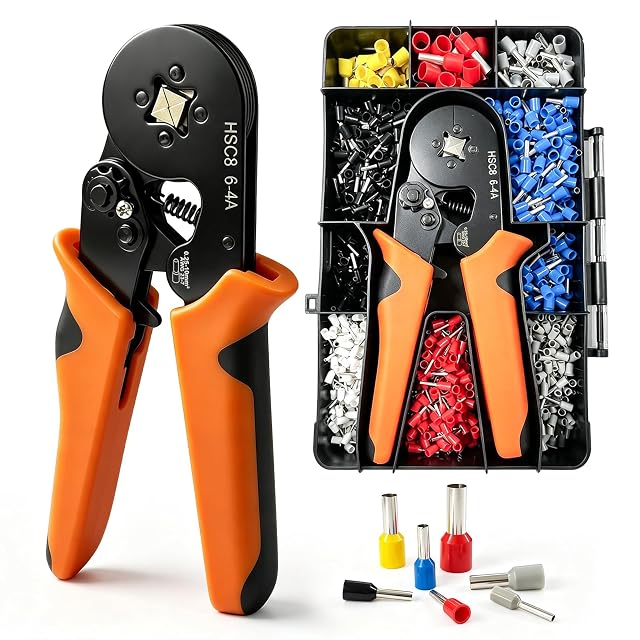
Ferrules for stranded wire in screw or spring terminals. A twisted bare end works loose, spreads, and ends up half in the clamp.
The tool matters more than the ferrules. Self-adjusting sizes the crimp; a ratchet completes it. The better tools have both, and only three in this catalogue name a ratchet.
5. What no listing in this catalogue publishes
A crimping force, on any tool. A wind load, on any mount. A static behaviour statement, on any fuel can.
Those gaps are not this site’s judgement of the products. They are what the sellers chose not to print, recorded on each page so the question can be put to them directly.